

 See My Latest Article on HelloNation
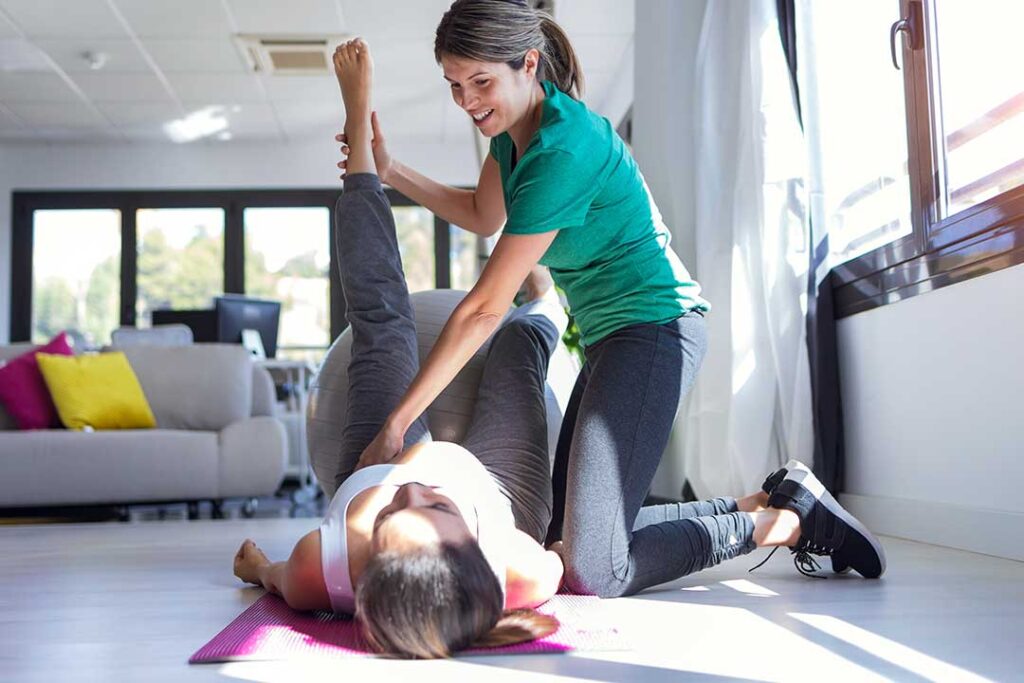
Running can be a healthy way to build strength, endurance, and stress relief, but knee pain often develops when training demands increase faster than the body can adapt. Preventing problems usually depends less on finding a perfect shoe or changing one aspect of running form and more on managing training load, building supporting strength, and responding early to warning signs.
Why does running cause knee pain?
Knee pain in runners commonly develops when the knee is exposed to more distance, speed, hills, or frequency than it is prepared to handle. A sudden return to running after winter inactivity, adding several weekly miles, or combining running with demanding lower-body workouts can all increase stress on the joint.
The knee is also affected by the hip, ankle, foot, and trunk. Weakness or fatigue in the hips and legs may make it harder to control the thigh and knee during each step. However, knee pain does not automatically mean that a particular muscle is “weak” or that running form is “bad.” Several factors—including training history, recovery, terrain, sleep, and overall fitness—can contribute. ([acsm.org](https://acsm.org/distance-running-form-tips/?utm_source=openai))
For residents adjusting to seasonal changes, the transition from indoor activity to outdoor running deserves extra care. Cold weather, icy paths, uneven surfaces, and a rapid increase in spring mileage can all change the demands placed on the legs.
How should a runner increase distance and speed?
Increase only one major training demand at a time. For example, add a small amount of distance while keeping the pace and hills similar, rather than increasing distance, speed, and elevation during the same week.
A practical approach is to:
- Repeat a similar run several times before making it longer or faster.
- Use walk-run intervals when returning after a break.
- Keep at least one easier or rest day between harder running sessions.
- Add hills gradually instead of beginning with repeated steep climbs.
- Reduce training temporarily if pain becomes sharper, changes the way you run, or lingers into the next day.
A commonly mentioned “10 percent rule” can be a useful conservative guideline, but it is not a guarantee of safety. A smaller increase may be more appropriate for a new runner, someone returning from injury, or anyone managing other physical demands. The most reliable guide is how the knee responds during the run and over the following 24 to 48 hours. ([berkshirehealthcare.nhs.uk](https://www.berkshirehealthcare.nhs.uk/advice/return-to-running-programme?utm_source=openai))
What warm-up helps protect the knees?
A five- to ten-minute warm-up can prepare the body for running more effectively than starting at the planned pace immediately. Begin with brisk walking, then add gentle jogging or controlled movements such as marching, leg swings, and easy body-weight squats.
The warm-up should raise body temperature without tiring the legs. Long, forceful static stretches are usually unnecessary before a run. Gentle mobility work may be comfortable, but stretching should not cause pain or make the knee feel unstable.
After the run, walking for five to ten minutes can help the body transition gradually to rest. A cool-down is also a useful time to notice whether symptoms are beginning to increase. ([nhs.uk](https://www.nhs.uk/live-well/exercise/knee-pain-and-other-running-injuries/?utm_source=openai))
Which exercises can help prevent running-related knee pain?
Strength training can improve the ability of the hips, thighs, calves, and trunk to manage repeated impact. It does not need to be complicated, and it should be progressed gradually.
Useful exercises may include:
- Sit-to-stand movements or controlled squats
- Step-ups on a stable step
- Glute bridges
- Side-lying leg lifts or resistance-band side steps
- Calf raises
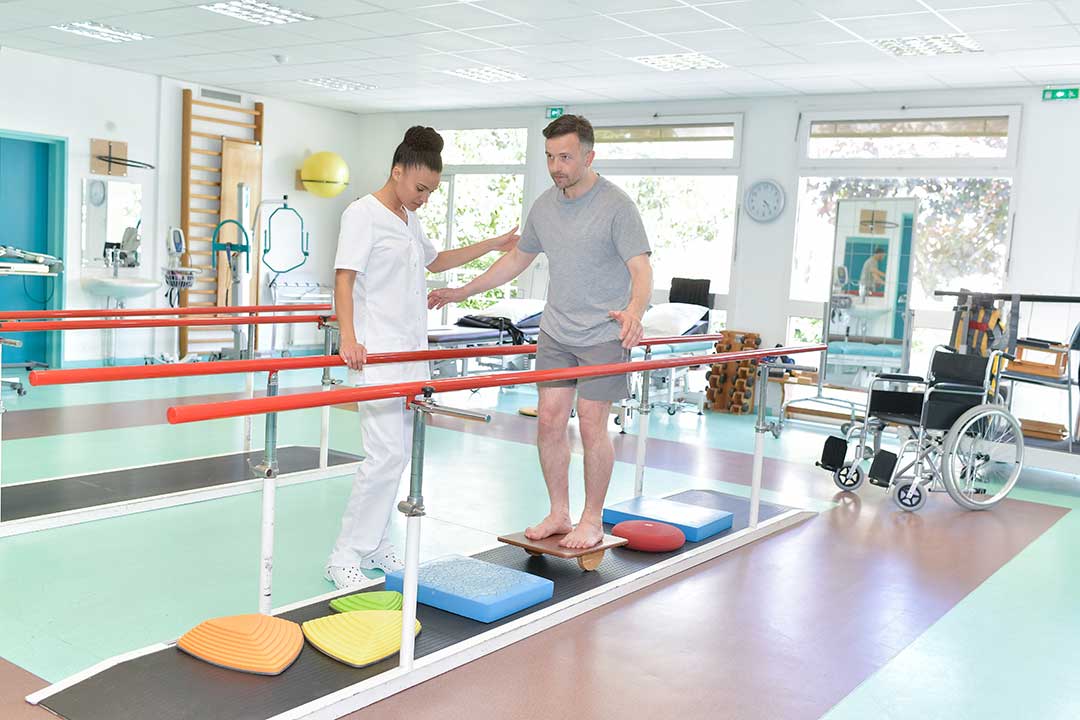
- Single-leg balance near a stable support
Start with a level that allows smooth movement and little or no increase in symptoms. Two strength sessions per week may be enough for many recreational runners. The goal is not to exhaust the legs before a run; it is to build capacity so that ordinary running feels more manageable.
A runner who already has significant knee pain should not begin an aggressive exercise program based only on general advice. Some exercises may need to be adjusted for the specific cause of pain. ([nhs.uk](https://www.nhs.uk/live-well/exercise/knee-exercises-for-runners/?utm_source=openai))
Does running form prevent knee pain?
There is no single running style that prevents every knee problem. Instead of forcing a dramatic change, focus on simple habits that make running feel controlled:
- Keep the pace easy enough to maintain relaxed breathing.
- Avoid reaching far forward with each step.
- Let the feet land comfortably beneath the body rather than deliberately striking in a particular way.
- Keep the shoulders relaxed and the trunk steady.
- Shorten the stride slightly if downhill running or fatigue increases knee discomfort.
A modest increase in step rate may help some runners reduce overstriding, but it should be introduced gradually. Changing several aspects of form at once can create new stress in the calves, feet, hips, or lower back.
Do shoes and running surfaces matter?
Shoes should feel comfortable, fit securely, and match the runner’s activity. A new pair is not automatically better, and expensive features do not guarantee protection from injury. Replace shoes when the cushioning, structure, or fit has noticeably deteriorated—not solely because of a fixed mileage number.
Surface changes can also matter. A sudden shift from a level indoor surface to frozen, uneven, sloped, or hard outdoor paths may require more control from the knee and ankle. When possible, vary routes gradually and choose surfaces that feel predictable. In icy conditions, postponing a run or choosing a safer indoor alternative may be more protective than trying to maintain a scheduled workout.
Should you keep running through knee pain?
Mild muscle soreness after unfamiliar exercise is different from pain that becomes sharper, changes your stride, or continues to worsen while running. If the knee hurts during a run, stop or switch to a low-impact activity rather than trying to push through it.
Cycling, swimming, or another comfortable form of cardiovascular exercise may help maintain fitness while running is reduced. Once walking is comfortable and symptoms have settled, return with short walk-run intervals before attempting a continuous run. Increase duration slowly and delay hills or speed work until basic running is tolerated. ([sfh-tr.nhs.uk](https://www.sfh-tr.nhs.uk/patients-and-visiting/patient-information-leaflets/musculoskeletal-msk/anterior-knee-pain/?utm_source=openai))
When does knee pain need medical attention?
Seek prompt medical evaluation for severe pain, major swelling, inability to bear weight, locking, repeated giving-way, a visible deformity, fever, or redness and warmth around the joint. These symptoms may indicate a problem that should not be managed with training changes alone.
For less severe pain, stop running and monitor the knee. If symptoms do not improve after about a week, or if they repeatedly return whenever running resumes, an evaluation by a qualified healthcare professional can help identify contributing factors and create a safe progression. Persistent swelling or pain lasting more than 48 hours after a run is also a reason to reduce training and reassess. ([nhs.uk](https://www.nhs.uk/live-well/exercise/knee-pain-and-other-running-injuries/?utm_source=openai))
A knee-friendly running plan is usually built through steady progression, adequate recovery, basic strength, and early attention to symptoms. That approach is more dependable than relying on a single shoe, stretch, brace, or running-form correction.