
 See My Latest Article on HelloNation
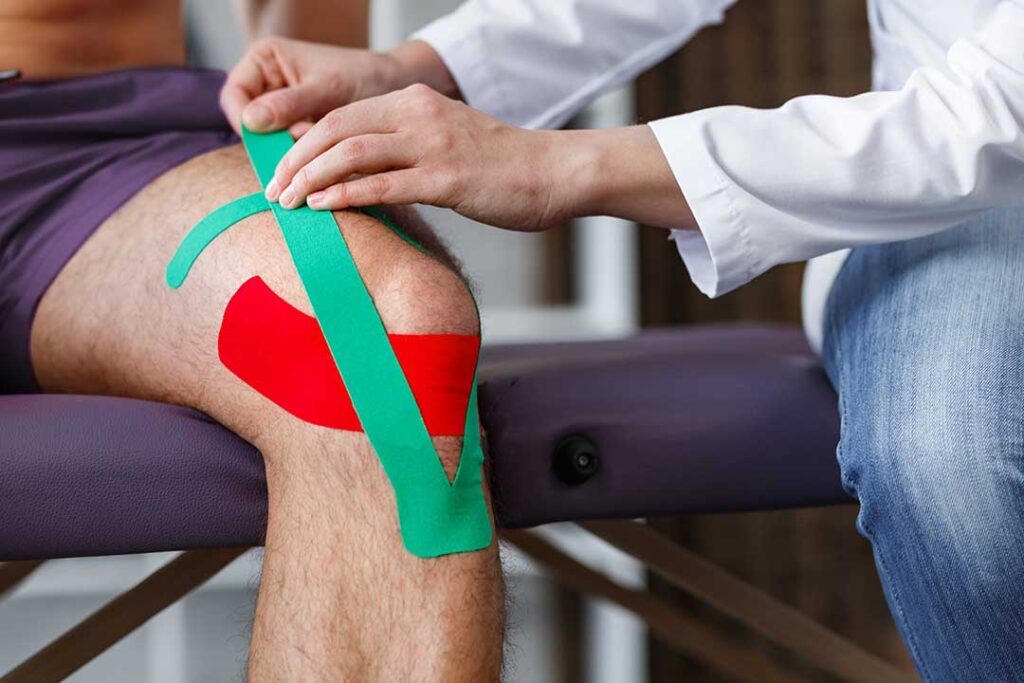
Recovering from surgery is rarely a matter of simply waiting for the body to heal. Physical therapy can help restore movement, strength, balance, circulation, and confidence while reducing the risk of problems caused by too much rest or unsafe activity.
The safest recovery plan depends on the type of surgery, the tissues involved, the person’s health, and the surgeon’s restrictions. Physical therapy should support those instructions—not replace them.
How does physical therapy help after surgery?
Physical therapy helps the body gradually return to useful movement. Early treatment may focus on basic tasks such as getting out of bed, walking safely, using stairs, and protecting the surgical area. Later sessions may address strength, flexibility, balance, endurance, and work or recreational activities.
A physical therapist may help with:
- Reducing stiffness and restoring joint motion
- Improving walking mechanics and weight-bearing tolerance
- Rebuilding strength lost during hospitalization or inactivity
- Practicing transfers, stairs, reaching, lifting, or other daily tasks
- Selecting and adjusting assistive equipment
- Managing swelling through positioning, movement, and carefully prescribed exercise
- Identifying movement patterns that place unnecessary stress on healing tissue
The goal is not to push through pain or speed past biological healing. The goal is to apply the right amount of movement at the right time.
When should physical therapy begin?
The timing varies widely. Some people begin simple movement in the hospital or within a day of surgery. Others must wait longer because of tissue repairs, bone healing, wound concerns, or medical complications.
The surgeon’s instructions determine what is allowed. Important questions include:
- How much weight can be placed on the affected limb?
- Which movements or positions are restricted?
- When can walking, driving, work, lifting, or exercise resume?
- Should a brace, walker, cane, sling, or other device be used?
- Which symptoms are expected, and which require medical attention?
Early movement is often useful, but “early” does not mean aggressive. A short, controlled walk may be appropriate after one operation and unsafe after another.
What can be done at home to support recovery?
The most helpful home routine is usually consistent, moderate, and specific to the operation. Perform only the exercises and activities that have been approved for the current stage of healing.
Helpful habits may include:
- Completing prescribed exercises with careful attention to technique
- Taking brief movement breaks instead of remaining in one position for long periods
- Elevating an operated limb when advised to help manage swelling
- Using ice or heat only according to medical instructions
- Keeping walking aids adjusted correctly and using them as directed
- Following wound-care instructions and washing hands before touching dressings
- Planning rest between demanding activities
- Eating enough protein and maintaining regular hydration unless medically restricted
- Taking medications as prescribed and reporting side effects
Pain does not always mean damage, but rapidly increasing pain, sharp pain, new numbness, unusual weakness, or a major loss of function should not be ignored.
How much exercise is enough after surgery?
The correct amount is usually enough to create gradual progress without causing a lasting flare-up. Mild soreness or temporary fatigue can occur after activity, but symptoms that remain significantly worse later that day or the next morning may indicate that the workload was too high.
A practical approach is to change only one factor at a time:
- Walk slightly farther
- Add a small number of repetitions
- Increase time standing
- Use less support during a safe exercise
- Practice a more demanding daily task
Progress should be measured over days and weeks rather than judged by a single session. Recovery often includes good days and slower days, particularly after a poor night of sleep, increased swelling, or an unusually active day.
Why is walking often part of recovery?
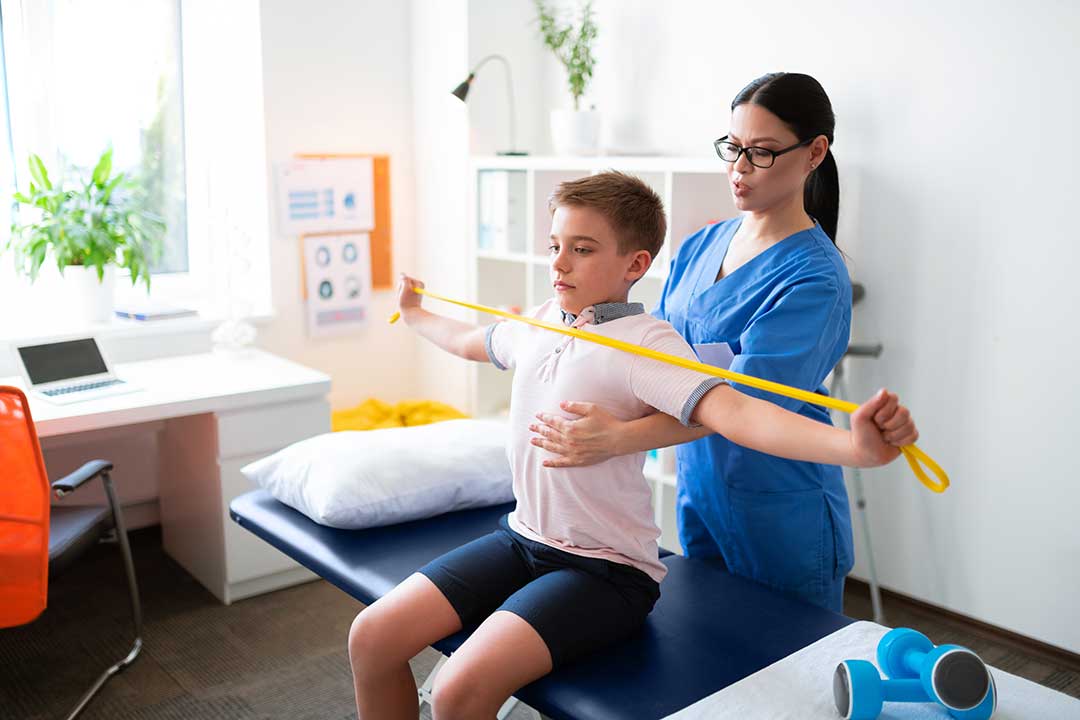
Walking supports circulation, endurance, balance, and independence. It also gives the nervous system repeated practice with normal movement. Depending on the operation, walking may begin with a walker or crutches and gradually progress to a cane or no device.
Walking should follow weight-bearing restrictions. A person recovering from joint replacement, fracture repair, abdominal surgery, or another major procedure may need a different progression.
In Rexburg, seasonal conditions deserve special attention. Snow, ice, uneven surfaces, and bulky winter clothing can make outdoor walking more difficult after surgery. During colder months, a clear indoor route, supportive footwear, adequate lighting, and a plan for carrying items can reduce fall risk. Outdoor distance should not be increased simply because a person feels determined to resume normal routines.
What recovery mistakes commonly slow progress?
Several well-intended habits can create setbacks.
Doing too much too soon
A person may feel better before the tissues are ready for heavy lifting, deep bending, impact, or long periods of activity. Follow restrictions even when pain is improving.
Avoiding movement completely
Prolonged bed rest can contribute to stiffness, weakness, constipation, reduced endurance, and loss of confidence. If movement is permitted, small amounts performed regularly are often more useful than one exhausting session.
Treating every exercise as interchangeable
Exercises appropriate after one surgery may be unsafe after another. A routine should reflect the repaired tissue, surgical approach, precautions, and current stage of healing.
Ignoring the whole body
After surgery, people may lean, limp, hold their breath, or rely too heavily on one side. These compensations can lead to neck, back, shoulder, or opposite-limb discomfort. Therapy often includes whole-body movement, not just the surgical area.
Underestimating the home environment
Loose rugs, low chairs, crowded walkways, steep steps, and poor lighting can make basic tasks harder. Temporarily moving furniture, placing commonly used items within easy reach, and arranging help with meals or household chores may reduce unnecessary strain.
Which symptoms require prompt medical attention?
Contact the surgical team promptly about symptoms that may indicate infection or another complication, including increasing redness, warmth, pain, cloudy drainage, wound separation, or fever.
Urgent evaluation may be needed for chest pain, severe shortness of breath, sudden confusion, fainting, uncontrolled bleeding, a new inability to move an extremity, or severe swelling and pain in a limb. Sudden calf pain or swelling should also be treated seriously, particularly after a period of limited mobility.
Do not wait for the next therapy session to report concerning symptoms. Physical therapy should pause when necessary until the medical team provides direction.
How can progress be tracked?
Useful measures are specific and practical:
- Walking from one room to another without unsafe fatigue
- Getting in and out of a chair with less assistance
- Managing stairs safely
- Reaching a certain range of motion
- Completing bathing or dressing tasks
- Sleeping with fewer position changes
- Returning gradually to work, school, caregiving, or recreation
Keeping a short daily record of pain, swelling, walking distance, exercises, sleep, and medication effects can reveal patterns. It can also help the care team adjust activity levels more accurately than memory alone.
A faster recovery is not necessarily the one with the most exercise. It is the one that balances protection, movement, rest, nutrition, safety, and steady progression while respecting the body’s healing timeline.