

 See My Latest Article on HelloNation
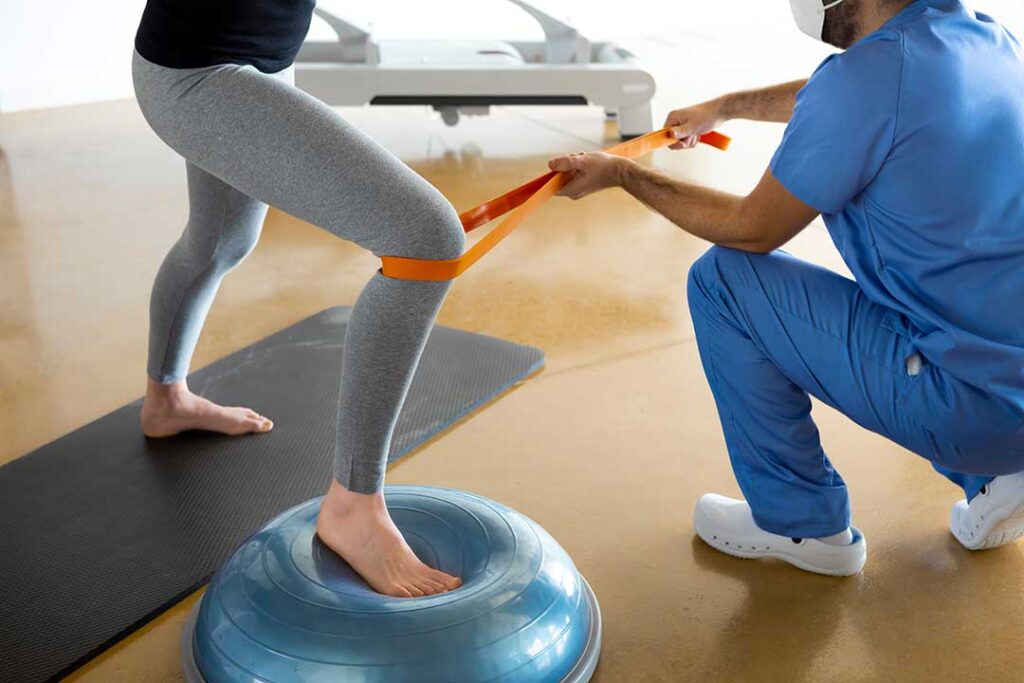
Arthritis pain can make ordinary activities—walking, climbing stairs, opening jars, or getting out of a chair—more difficult. Physical therapy often helps by improving joint movement, building supportive muscle strength, and teaching safer ways to stay active.
Physical therapy does not reverse arthritis or repair worn cartilage. Its purpose is to reduce the effect arthritis has on daily life and help a person move with greater comfort, confidence, and control.
How can physical therapy help arthritis pain?
Physical therapy can reduce pain and improve function through individualized exercise, movement training, education, and practical adjustments. The plan depends on the affected joint, the type of arthritis, overall health, and the activities a person needs or wants to perform.
Treatment may focus on:
- Improving flexibility and joint mobility
- Strengthening muscles that support painful joints
- Increasing balance and coordination
- Improving walking, stair use, lifting, or reaching
- Reducing strain during household and recreational activities
- Building endurance without provoking a flare-up
- Teaching ways to pace activity and manage symptoms
For example, someone with knee arthritis may work on thigh and hip strength, walking mechanics, balance, and the ability to rise from a chair. Someone with hand arthritis may need strategies for gripping, carrying, opening containers, or completing household tasks with less stress on the fingers.
What happens during a physical therapy evaluation?
An evaluation usually begins with questions about pain, stiffness, swelling, weakness, sleep, activity levels, and changes in daily function. Movement, strength, balance, walking, posture, and joint mobility may also be assessed.
The goal is not simply to identify where it hurts. A painful knee, for instance, may be affected by weakness in the hip, limited ankle movement, reduced balance, or a change in walking habits. Understanding those contributing factors helps create a more useful plan.
The exercise program should be specific rather than generic. A person who spends much of the day sitting may need a gradual walking and strengthening routine. Someone who works outdoors, manages stairs, cares for children, or performs physical household tasks may need training that reflects those demands.
What types of exercises are used?
Most arthritis programs include some combination of mobility, strengthening, aerobic, and balance exercises. The amount and intensity should be adjusted to the person’s symptoms and medical condition.
Mobility exercises may help reduce stiffness in the morning or after sitting. Strength exercises can help muscles absorb more of the work that would otherwise be placed on a joint. Low-impact aerobic activities can improve endurance and make daily movement less tiring.
Common examples include:
- Gentle range-of-motion exercises
- Sit-to-stand practice
- Step-ups or supported squats
- Resistance-band exercises
- Walking at a manageable pace
- Cycling with appropriate adjustments
- Water-based exercise
- Balance exercises near a stable surface
Exercise should not be judged only by whether it produces no sensation at all. Mild muscle fatigue or temporary stiffness may occur, especially when beginning a new routine. However, sharp pain, substantial swelling, worsening symptoms that do not settle, or a clear decline in function signals that the activity may need to be modified.
A practical approach is to start with short sessions and increase time or resistance gradually. Five- or ten-minute periods of activity can be useful, especially for people who have been inactive or are experiencing a flare.
Can physical therapy help different types of arthritis?
Yes, but the approach may differ.
Osteoarthritis, often associated with gradual changes in cartilage and joint structures, commonly affects the knees, hips, hands, spine, and other weight-bearing or frequently used joints. Exercise, strength training, movement education, and activity modification are common parts of care.
Inflammatory forms of arthritis, such as rheumatoid arthritis, may involve periods of increased joint inflammation and fatigue. Exercise may still be valuable, but the plan may need to change during flares. Protecting inflamed joints, managing fatigue, and coordinating care with a medical provider can be especially important.
Arthritis after an injury or surgery may require attention to scar tissue, weakness, altered movement patterns, or reduced range of motion. In every case, the appropriate program depends on the diagnosis and current symptoms.

What can residents do at home?
A home routine is often a central part of progress. The most useful program is usually one that fits into ordinary life rather than requiring a major change in schedule.
For local residents, seasonal conditions can affect activity choices. Icy sidewalks and snow may make outdoor walking less predictable during winter. Indoor walking routes, stationary cycling, gentle strengthening, or exercises performed near a sturdy counter may provide safer alternatives when surfaces are slippery.
Household habits also matter. Helpful adjustments may include:
- Taking brief movement breaks after extended sitting
- Using a chair with firm support and an appropriate height
- Keeping frequently used items within comfortable reach
- Avoiding long periods of repetitive gripping or kneeling
- Alternating heavier and lighter tasks
- Using handrails on stairs
- Wearing supportive, well-fitting footwear
- Dividing yardwork or home projects into shorter sessions
These changes do not eliminate arthritis, but they can reduce repeated stress and make activity more manageable.
Does pain mean the joint is being damaged?
Not necessarily. Arthritis pain can be influenced by inflammation, muscle weakness, stiffness, sleep, stress, changes in activity, and sensitivity in the nervous system. A temporary increase in discomfort after unfamiliar exercise does not automatically mean the joint has been harmed.
At the same time, persistent or severe pain should not be ignored. A gradual adjustment in repetitions, resistance, range of motion, or exercise frequency may be needed. Sudden swelling, significant warmth or redness, inability to bear weight, a recent injury, fever, or rapidly worsening symptoms warrants medical evaluation rather than simply pushing through exercise.
How long does it take to notice improvement?
Some people notice easier movement or greater confidence within several weeks, while others need longer. Progress may appear first as improved function rather than complete pain relief—for example, walking farther, standing longer, sleeping more comfortably, or using stairs with less difficulty.
Arthritis is usually a long-term condition, so maintaining appropriate activity is often more useful than relying on a short course of exercises and then stopping. The routine may need to change over time as symptoms, strength, work demands, or other health conditions change.
Physical therapy works best as one part of broader arthritis care. Medication, weight management when appropriate, sleep, medical treatment for inflammatory arthritis, assistive devices, and—when necessary—surgical consultation may also play a role. The right combination varies from person to person.
When should arthritis pain be medically evaluated?
Persistent joint pain, repeated swelling, progressive stiffness, unexplained weakness, or difficulty performing basic activities deserves medical attention. Evaluation is also appropriate when pain begins suddenly, follows an injury, affects several joints, or is accompanied by fever or unusual fatigue.
A medical diagnosis can help distinguish osteoarthritis from inflammatory arthritis, gout, an injury, nerve-related pain, or another condition that may require different treatment. Once the cause is understood, physical therapy can be tailored more safely and effectively.